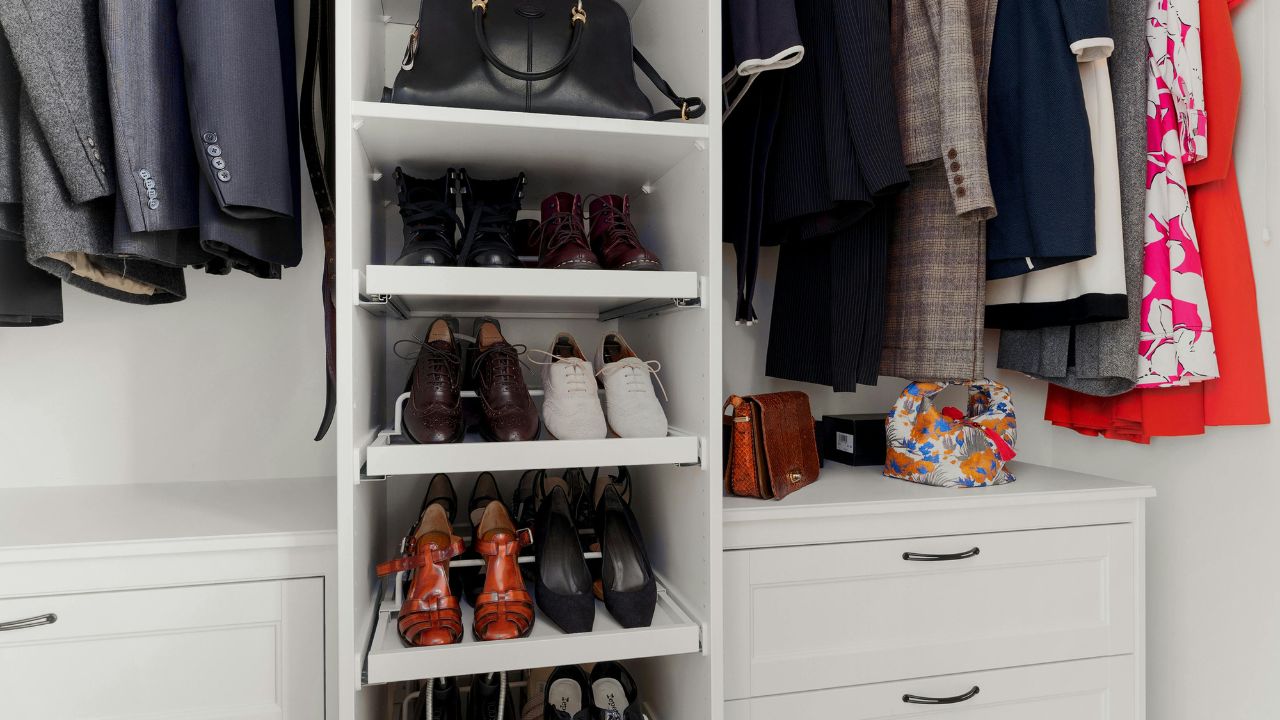
A capsule wardrobe is a carefully selected collection of versatile clothing pieces that work well together. Instead of owning a large number of items, you focus on quality, practicality, and personal style. A beginner capsule wardrobe may include essential tops, bottoms, dresses, outerwear, shoes, and accessories that can create many different outfits. The goal is not to follow strict rules but to make getting dressed easier while reducing unnecessary shopping. A well-planned capsule wardrobe can save time, simplify your closet, and help you develop a more consistent fashion style.
Why Build a Capsule Wardrobe?
Creating a capsule wardrobe offers several practical benefits. A smaller collection makes it easier to see what you own and choose an outfit quickly. Because most pieces are designed to coordinate, you can create multiple looks from fewer garments. A capsule wardrobe can also encourage mindful shopping because you become more selective about new purchases. For beginners, it is an excellent way to discover which colors, silhouettes, and clothing styles genuinely suit their lifestyle. Over time, this approach can reduce closet clutter while helping you spend money on pieces that you are more likely to wear regularly.
Start by Understanding Your Lifestyle
Before choosing clothing, consider how you actually spend your time. Your wardrobe should reflect your daily activities rather than an imaginary lifestyle. Think about your workplace, weekends, social events, exercise routine, climate, and travel habits. Someone working in an office may need tailored trousers and smart shirts, while someone working from home may prefer comfortable basics. If you frequently attend formal events, include appropriate dressier pieces. Understanding your lifestyle prevents you from filling your capsule wardrobe with attractive items that rarely get worn.
Clean Out Your Existing Closet
The easiest way to begin is often by reviewing what you already own. Take everything out of your wardrobe and separate clothing into categories such as keep, donate, repair, sell, and unsure. Keep pieces that fit properly, feel comfortable, match your lifestyle, and are worn regularly. Remove items that no longer suit your size, preferences, or everyday needs. Avoid throwing everything away simply because you want a capsule wardrobe. Many useful basics may already be hiding in your closet, which can significantly reduce the cost of creating your new wardrobe.
Choose a Versatile Color Palette
A coordinated color palette makes a capsule wardrobe much easier to style. Start with two or three neutral colors such as black, white, navy, gray, beige, brown, or cream. Then add one or two accent colors that complement your complexion and personal taste. Neutral clothing provides a flexible foundation, while accent colors add personality without making outfits difficult to coordinate. You do not have to follow traditional fashion rules. The best capsule wardrobe color scheme is one that makes you feel confident and allows most of your clothing pieces to work together.
Select Essential Tops
Tops are among the most frequently worn pieces in a capsule wardrobe. Begin with versatile basics such as plain T-shirts, a button-down shirt, a lightweight blouse, and a comfortable knit or sweater. Choose colors and designs that can be worn with several bottoms. You can add one or two statement tops if they suit your lifestyle. Consider fabric quality, comfort, fit, and maintenance before purchasing. A simple white shirt, for example, can work with jeans for a casual outfit or tailored trousers for a more polished appearance.
Build a Collection of Reliable Bottoms
Choose bottoms that provide plenty of outfit combinations. A beginner-friendly capsule wardrobe might include well-fitting jeans, tailored trousers, casual pants, and a skirt or pair of shorts depending on your preferences and climate. Focus on silhouettes you already know you enjoy wearing. Avoid buying multiple versions of the same item unless you genuinely need them. The right bottoms should complement your tops and work across different occasions. Fit is particularly important because even an expensive garment may remain unworn if it feels uncomfortable.
Add Versatile Dresses and One-Piece Outfits
Dresses and jumpsuits can simplify outfit planning because they create a complete look with one garment. Choose styles that match your lifestyle and can be dressed up or down. A simple midi dress, for example, might work with sneakers during the day and boots or elegant shoes for an evening occasion. If dresses are not part of your personal style, there is no need to include them. A capsule wardrobe should be personalized rather than based on a fixed checklist of clothing items.
Invest in Practical Outerwear
Outerwear can have a major impact on your overall wardrobe because it is often visible throughout an outfit. Select practical pieces according to your local weather and lifestyle. Depending on your climate, useful options may include a denim jacket, blazer, cardigan, trench coat, lightweight jacket, or warm winter coat. Prioritize versatility and durability. A neutral-colored jacket can often be worn with casual and formal outfits, making it particularly valuable in a minimalist wardrobe.
Choose Shoes Carefully
Shoes should support your lifestyle while complementing your clothing collection. Instead of buying numerous pairs, focus on versatile footwear that covers your most common activities. Depending on your needs, this might include everyday sneakers, comfortable flats or loafers, ankle boots, sandals, and one dressier option. Choose footwear that is comfortable enough to wear regularly. Since shoes can dramatically change the appearance of an outfit, selecting a few complementary styles allows you to create different looks without owning a large collection.
Do Not Forget Accessories
Accessories can make a small wardrobe feel much larger. Belts, scarves, handbags, watches, jewelry, hats, and sunglasses can change the appearance of basic outfits without requiring additional clothing. Choose accessories that complement your existing color palette. For example, a simple neutral outfit can look completely different when paired with a colorful scarf or statement necklace. However, avoid collecting accessories simply because they are trendy. The best pieces are those you can imagine wearing with several outfits throughout the year.
Follow the One-In, One-Out Approach
Once your capsule wardrobe is established, maintain it by being intentional about new purchases. The one-in, one-out method means that when you add a new item, you consider removing another similar item. This prevents your wardrobe from gradually becoming overcrowded. For example, if you purchase a new everyday sweater, you might donate or sell an older sweater that no longer fits well. This approach does not mean you must immediately discard something every time you shop, but it encourages thoughtful decisions and keeps unnecessary accumulation under control.
Prioritize Quality Over Quantity
A capsule wardrobe works best when its clothing can withstand frequent use. Look for durable fabrics, reliable construction, strong seams, and finishes that match the garment’s intended purpose. Quality does not always mean expensive. Affordable brands can also offer useful basics when you carefully examine materials and construction. Before buying something, consider how often you expect to wear it and whether it works with multiple pieces you already own. A versatile garment that gets worn frequently may provide much more value than several inexpensive items that remain in the closet.
Use the 30-Wear Test
Before purchasing a new item, ask yourself whether you can realistically wear it at least 30 times. This simple question encourages you to consider versatility, comfort, and practicality instead of impulse buying. Think about whether the garment works with your existing shoes, bottoms, outerwear, and accessories. If you can immediately imagine numerous occasions for wearing it, the purchase may be worthwhile. If you can only create one specific outfit around it, reconsider whether it belongs in your capsule wardrobe.
Create Outfit Combinations
After selecting your core pieces, experiment with different combinations. Lay several tops, bottoms, shoes, and layers together and photograph outfits that you particularly like. You may discover combinations you had never considered before. Creating an outfit list or using a wardrobe-planning app can also make daily dressing easier. Try to build outfits for different situations, including work, casual days, dinners, travel, and special occasions. The more combinations you identify, the more useful and flexible your capsule wardrobe becomes.
Adapt Your Capsule Wardrobe for the Seasons
Your capsule wardrobe does not need to remain exactly the same throughout the year. Seasonal rotation allows you to store clothing that is unsuitable for the current weather and bring appropriate pieces forward. Lightweight shirts, shorts, and sandals may dominate a summer capsule, while sweaters, coats, boots, and layering pieces become more useful during colder months. Keep versatile transitional pieces accessible because weather can change unexpectedly. Seasonal rotation also gives your wardrobe a refreshing feeling without requiring you to buy an entirely new collection.
Avoid Common Capsule Wardrobe Mistakes
Beginners often make the mistake of copying someone else’s capsule wardrobe without considering their own lifestyle. Another common error is choosing clothing based entirely on current trends. Buying too many neutral items can also make a wardrobe feel boring if you genuinely enjoy color and patterns. Conversely, purchasing too many statement pieces can make outfit coordination difficult. The solution is personalization. Your capsule wardrobe should contain clothing that fits your body, lifestyle, climate, budget, and fashion preferences.
Shop With a Clear Checklist
Shopping becomes easier when you know exactly what your wardrobe lacks. Before visiting a store or shopping online, identify specific gaps rather than browsing without a plan. For example, you might need a versatile blazer, comfortable everyday shoes, or a pair of well-fitting trousers. Check whether you already own something similar before buying. A shopping checklist can reduce impulse purchases and help you direct your budget toward genuinely useful pieces. It also makes it easier to distinguish between something you want and something your wardrobe actually needs.
Make Your Capsule Wardrobe Personal
There is no universal number of items required for a capsule wardrobe. Some people may feel comfortable with 20 pieces, while others may need 40 or more because of their profession, climate, hobbies, or family responsibilities. The purpose is not to own as little as possible. Instead, the goal is to create a wardrobe where most pieces are useful, wearable, and compatible with your lifestyle. Add colors, prints, silhouettes, and accessories that reflect your personality. Personal style should remain the foundation of your capsule wardrobe.
Maintain Your Wardrobe Regularly
A capsule wardrobe requires occasional maintenance. Every few months, review what you are wearing and identify pieces that remain untouched. Check clothing for stains, loose buttons, damaged seams, and worn fabrics. Repair useful garments instead of immediately replacing them. At the same time, recognize when an item has genuinely reached the end of its useful life. Regular maintenance keeps your wardrobe organized and ensures that your collection continues to reflect your current lifestyle rather than your past preferences.
Final Thoughts on Building a Capsule Wardrobe
Learning how to build a capsule wardrobe for beginners is ultimately about making thoughtful choices rather than following strict fashion rules. Start with clothing you already love, remove pieces that no longer serve you, establish a versatile color palette, and gradually fill genuine wardrobe gaps. Prioritize comfort, quality, versatility, and personal style over quantity. With careful planning, a small collection of well-chosen garments can create countless stylish outfits. The result is a simpler closet, easier outfit planning, more intentional shopping, and a wardrobe that works for your everyday life.